The desire to learn how to play the guitar often comes down to the very first question asked in a store: “Would you like a classical or an acoustic guitar?” For someone who is only beginning to explore music, these terms may sound almost identical, since both instruments have a familiar body, neck, and six strings. In reality, classical and acoustic guitars differ noticeably in sound, construction, playing feel, and the repertoire for which they are best suited. The right choice affects not only the comfort of your first lessons but also your motivation to continue learning. Let us take a closer look at which guitar will help you master basic chords faster, avoid unnecessary discomfort, and take your first confident steps in music.
Key Differences Between Classical and Acoustic Guitars
- Nylon or Steel Strings
The main difference a beginner will notice from the very first chord is the type of strings. A classical guitar is fitted with nylon strings. They are thicker, softer to the touch, and require less pressure when fretting. As a result, the fingertips are less likely to become sore, making the first practice sessions more comfortable.
This is why classical guitars are often recommended for children, teenagers, and adults with sensitive fingers. Some discomfort may still occur at the beginning, as the hands need time to adjust to the new type of strain, but this period is generally easier with nylon strings.
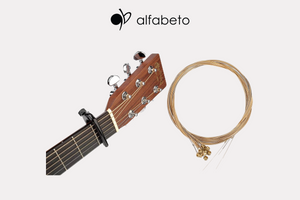
An acoustic guitar is fitted with steel strings, which produce a brighter, louder, and more ringing sound. They are under higher tension and may cause discomfort during the first few weeks of practice. There is no need to be afraid of this: with regular short practice sessions, the fingers gradually adapt, and a natural protective layer develops on the fingertips.
- Neck Width and Body Shape
A classical guitar has a wide and mostly flat neck. The spacing between the strings is greater, making it easier for beginners to press the correct string without touching the neighboring ones. This design is especially convenient for classical hand positioning and fingerstyle techniques. At the same time, a wide neck may initially feel unusual for a child or someone with small hands.
The body of a classical model is usually more compact, which makes the instrument comfortable to hold while sitting. Smaller-sized guitars can also be chosen for children to suit their height and arm length.
An acoustic guitar has a narrower and slightly rounded neck. Its feel is closer to that of an electric guitar, making it easier to change chords, play barre chords, and move the hand quickly along the fretboard. The body of an acoustic guitar is usually larger. Popular Dreadnought and Auditorium shapes provide strong resonance, rich low frequencies, and sufficient volume even without an amplifier.
- Sound and Musical Styles
A classical guitar has a soft, warm, and intimate sound. Nylon strings create a velvety tone that brings out melodic compositions and the nuances of fingerstyle playing. This type of instrument is well suited to classical music, romances, flamenco, Spanish-inspired pieces, simple studies, and fingerstyle compositions.
An acoustic guitar has a brighter, louder, and fuller character. Its steel strings sound especially effective during rhythmic strumming, pick playing, and vocal accompaniment. Acoustic guitars are most often chosen for pop music, rock, country, singer-songwriter material, and familiar hits that are enjoyable to perform with friends.
However, these boundaries are not absolute. Modern songs can be played on a classical guitar, while fingerstyle melodies can be performed on an acoustic guitar. The choice depends primarily on which sound inspires you more.
Which One Should You Choose?
A classical guitar is a good choice if the instrument is intended for a child studying at a music school or attending a music class. Most academic programs use classical guitars because they help develop proper hand positioning, finger coordination, and a gradual understanding of music notation.
A classical guitar is also worth considering if you are concerned about finger pain, prefer a calm and unhurried learning process, or enjoy classical, Spanish, or melodic instrumental music. Soft nylon strings make the first lessons less stressful and allow you to focus on performing exercises correctly.
An acoustic guitar will better suit your expectations if your main goal is to play popular songs, strum chords, and accompany singing. It is an excellent choice for those who enjoy a bright, powerful sound, rhythmic strumming, and playing with a pick. The finger adjustment period may be slightly longer, but the result is the expressive sound heard in many pop and rock songs.
For a child, it is important to consider not only the type of instrument but also its size. A body that is too large or a neck that is too long can make it difficult to hold the guitar correctly and may cause the hands to tire quickly. Before choosing, it is advisable to let the child sit with the instrument and make sure they can comfortably reach the first frets and hold the body with ease.
A Beginner’s Mistake That Can Damage the Guitar
Steel strings must never be installed on a classical guitar in place of nylon strings. This is not a way to make the instrument louder or turn it into an acoustic guitar. It creates a serious risk of structural damage.
Steel strings produce significantly higher tension. A classical guitar usually does not have internal reinforcement designed for this level of load, so the neck may warp, the soundboard may begin to bend, and the bridge may pull away from the body.
If you want the bright sound of steel strings, it is better to choose an acoustic model from the start. Only appropriate nylon string sets should be used on a classical guitar.
Why Start with an Alfabeto Guitar?
Alfabeto guitars are designed with the needs of beginner musicians in mind. A well-considered body shape and comfortable neck profile help players hold the instrument correctly and reduce fatigue during practice. Properly adjusted string action makes it easier to fret notes and chords, so the student does not have to waste extra effort struggling with the instrument.
Reliable tuning machines help the guitar stay in tune longer, which is especially important during the early stages of learning. It is much easier for a beginner to develop a musical ear and memorize the sound of chords when the guitar does not require constant retuning. Carefully selected wood provides natural resonance, balanced sound, and a pleasant physical response from the body while playing.
The brand’s range includes both classical models with soft nylon strings and acoustic guitars with a clear, modern sound. This makes it possible to choose an instrument according to age, musical preferences, and intended repertoire without overpaying for features that a beginner may not yet need.
Available models can be found in the Alfabeto classical and acoustic guitar section, which includes options for home practice, music school, vocal accompaniment, and first performances.
Classical or Acoustic: The Final Choice
There is no universally “best” guitar. A classical model offers a gentler start, greater comfort for the fingers, and a warm sound, while an acoustic guitar provides a bright character, powerful accompaniment, and the familiar atmosphere of favorite songs.
Do not rely only on the advice of teachers or friends. Consider the music you genuinely want to play. The instrument should inspire you to pick it up every day, because regular practice is far more important than how quickly you master advanced techniques.
Explore the Alfabeto catalog of classical and acoustic guitars on our website, choose your first instrument, and take your first confident steps into music today.