Choosing a first guitar largely determines the overall learning experience. The instrument should be comfortable enough for a beginner to focus on hand positioning, chords, and technique rather than struggling with excessive string tension or an uncomfortable playing position. That is why a classical guitar with nylon strings remains one of the most popular choices for beginners. Nylon strings feel noticeably softer on the fingers, while the traditional construction of a classical instrument is well suited both for lessons with a teacher and for independent practice.
Among the affordable models for beginners, two full-size classical guitars deserve particular attention: the Figure 104N and the Figure 144SP. Both come in a 4/4 size, are equipped with nylon strings, and are aimed at those looking for an affordable instrument for learning. At the same time, there are significant differences between them in terms of materials, finish, and neck construction.
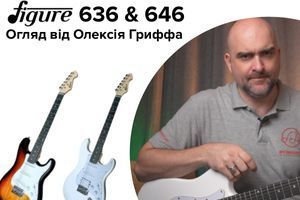
A practical video review by guitarist and teacher Oleksii Griff also helps explain the features of these models, allowing you not only to see the instruments up close but also to hear how they sound in real-life playing.
Figure: an affordable start in music
Figure is primarily aimed at beginner musicians and buyers who need a practical instrument without paying extra for unnecessary features. The brand's range includes classical and acoustic guitars, electric guitars, bass guitars, ukuleles, and other entry-level instruments. The main emphasis is on affordability, simple and straightforward construction, and comfort while learning to play.
An important advantage of the Figure 104N and Figure 144SP is that they come with a gig bag. This is particularly practical for students attending music schools and studios who regularly need to carry their guitar to lessons. After purchasing the instrument, there is no need to immediately look for a separate basic accessory for storage and transportation. Both models are officially supplied with a gig bag.
Figure 104N — affordable classical guitar for learning
The Figure 104N costs UAH 2,990, making it an affordable option for a first full-size guitar.
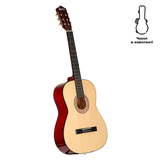
The Figure 104N features a traditional 4/4 classical form factor. This size is primarily intended for adults, teenagers of suitable height, and students whose teacher has recommended moving to a full-size instrument.
The top, back, and sides are made of basswood. For a budget classical guitar, this is a practical choice: the material provides an even, soft, and sufficiently balanced sound that is well suited to learning. The body has a traditional glossy finish, so the 104N looks exactly like the natural-finish classical guitar many buyers have in mind.
The neck is made of catalpa, while the fingerboard, bridge, and nut and saddle are made of ABS plastic. The guitar is equipped with six nylon strings and open-gear tuning machines. There is no body cutaway, pickup, or pickguard, meaning this is a traditional acoustic classical instrument without any additional electronics. The model is designed for right-handed players.
Nylon strings are especially suitable during the first few months of learning: they feel softer on the fingers than the steel strings used on acoustic guitars. This does not eliminate the need to get used to the pressure on the fingertips, but it does make the first exercises more comfortable.
The Figure 104N is primarily suitable for students who need a straightforward full-size instrument for lessons at a music school, studio, or at home. There are no complicated design solutions here — the focus is on the classical format, affordability, and practicality.
Figure 144SP — sapele, matte finish, and truss rod
The Figure 144SP costs UAH 3,490 and represents the next step up in the brand's range of affordable classical models.
Like the 104N, this guitar has a full-size 4/4 body and six nylon strings. The key difference starts with the material of the top: the Figure 144SP uses sapele, while the back and sides are made of basswood. The top plays a major role in shaping the acoustic response of an instrument, and sapele helps give the sound a distinctive warm character.
Another noticeable difference is the exterior finish. Instead of traditional gloss, a satin matte finish is used. It gives the instrument a more understated, modern appearance and is less likely to show fingerprints during everyday use.
The Figure 144SP neck is made of okoume. The fingerboard and bridge are made of durable ABS plastic, and the guitar is fitted with open-gear tuning machines. It has no body cutaway, built-in pickup, or pickguard and is designed for right-handed playing.
A particularly important construction advantage of the Figure 144SP is the truss rod in the neck. For an instrument in the budget segment, this is a useful feature because the truss rod allows a technician to adjust the neck relief when setting up and servicing the guitar. In the long term, this construction makes the instrument more flexible in terms of maintenance and adjustment.
This makes the 144SP interesting not only as a first guitar but also as an option for buyers who are willing to slightly increase their initial budget in exchange for a sapele top, matte finish, and adjustable neck construction.
Figure 104N or Figure 144SP: what is the main difference?
The Figure 104N is the more traditional option. A full-size body, basswood top, back and sides, nylon strings, classic glossy finish, and simple construction make it a logical choice for a first introduction to the guitar. The model may be particularly appealing to parents looking for an affordable 4/4 instrument for their child based on a teacher's recommendation.
The Figure 144SP takes a somewhat different approach. It remains an affordable classical guitar for learning but adds a sapele top, an okoume neck, a satin finish, and, most importantly, a truss rod. In other words, the higher price is not just about visual differences but also reflects notable construction features.
At the same time, both guitars remain full-size 4/4 classical models and come with a gig bag, so they can be considered ready-to-use starter packages for lessons and practice.
Video review of the Figure 104N and Figure 144SP by Oleksii Griff
Specifications help explain the structural differences between the guitars, but a musical instrument is also something you should hear. That is why a video review by Oleksii Griff — a guitarist and teacher who demonstrates the Figure 104N and Figure 144SP in practice — is a useful addition to this comparison.
The video allows you to evaluate the appearance of the models, see how they sit in the musician's hands, and, most importantly, compare their real-life sound. For a beginner or the parents of a student, this is a good way to get more information before making a purchase than can be obtained from a list of technical specifications alone.
Which Figure classical guitar should you choose?
If your main criteria are a minimal budget, a traditional appearance, and a simple full-size instrument for learning, the Figure 104N is worth considering. It is a straightforward classical model for first lessons, home practice, and mastering basic techniques.
If you would prefer a sapele top, a modern satin finish, and a truss rod that allows for more precise neck adjustment during servicing, the Figure 144SP may be the more attractive choice. The price difference is particularly justified for those buying their first instrument with long-term use in mind.
Both models have a full-size 4/4 format, nylon strings, and an included gig bag, so they meet the main requirements for an affordable classical guitar for beginners. The final choice should take into account the teacher's recommendations, playing comfort, and personal preferences regarding sound and design.
Browse Figure classical guitars in the catalog, compare the available models, and choose an instrument that will make your first steps in music comfortable and enjoyable. If choosing between the Figure 104N and Figure 144SP is difficult, a specialist can help you select a guitar based on age, experience, learning program, and budget.