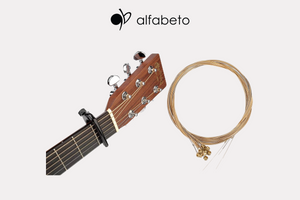
A guitar is not just an instrument, but a real “living” organism, because it is made of wood that constantly reacts to changes in temperature, humidity and environmental conditions. That is why the question of how to care for a guitar is key for every owner, regardless of their level of training. Proper care of a guitar allows you to not only preserve its appearance, but also avoid expensive repairs, ensure stable tuning and clear sound for many years.
First of all, it is worth understanding that the climate has the greatest impact on the instrument, because the humidity for the guitar and the temperature directly affect the condition of the wood. The optimal conditions are considered to be humidity within 45–55% and a temperature from 18 to 24°C, and deviations from these indicators can cause serious problems. For example, if you leave a guitar near a battery, in a draft or in a car in the summer, this can lead to cracks in the body or deformation of the neck. Proper storage of a guitar in winter, when the air becomes too dry, is especially important, so Alfabeto experts recommend using humidifiers to maintain a stable environment.
Regular cleaning of the instrument is equally important, because cleanliness directly affects the sound and comfort of playing. If you don’t know how to clean your guitar, start simple — use a soft microfiber cloth to wipe the body after each use. For glossy models, you can use special polishes, while matte Alfabeto guitars require more delicate care without aggressive agents. The neck and fretboard require special attention, as sweat and grease accumulate on them, which over time worsens the game and appearance, so periodic cleaning and the use of lemon oil for rosewood or technical wood are mandatory. At the same time, a simple life hack for every musician is to wipe the strings with a dry cloth after playing, as this allows you to significantly extend their service life.
Proper storage and transportation also play an important role in how to care for the guitar every day. Many people leave their instruments on a stand, which is convenient, but at the same time the guitar is constantly exposed to changes in humidity and temperature, while a case provides much better protection. This is especially important during transportation, as the insulated Alfabeto case helps to avoid sudden temperature changes and mechanical damage. In the cold season, it is important not only to use a case, but also to give the instrument time to adapt to room temperature after being outside.
In addition to daily care, do not forget about maintenance, because even the highest quality instrument requires regular attention. One of the most common questions among beginners is how often to change the strings, and here the universal answer is simple: approximately once every 2–3 months or more often with active playing. Worn strings not only worsen the sound, but can also negatively affect the condition of the instrument. It is also worth periodically checking the pegs, tightening the screws and lubricating the mechanism if necessary, but in the case of an anchor rod, it is better not to experiment on your own, but to contact a master to avoid damaging the neck.
In summary, we can say that the main advice for guitarists comes down to three simple rules: maintain the correct humidity, clean the instrument regularly and store it in a case. By following these recommendations, you can significantly extend the life of your guitar and maintain its perfect sound. If you are planning to upgrade your instrument or purchase care accessories, you should pay attention to our range, which is available at the link.